Careers
HVAC Careers and Salary
How Much Do HVAC Technicians Make?
The national HVAC salary median is $61,010 a year, or $29.33 an hour, for the 409,670 heating, air conditioning and refrigeration mechanics and installers the BLS counts (OEWS, May 2025). The middle half earn $48,360 to $77,060, and the top tenth $95,210 or more. State medians run from $48,110 in Arkansas to $84,390 in the District of Columbia, and Illinois ($77,410) pairs high pay with low-cost public programs such as Parkland College's $5,355 in-district certificate.
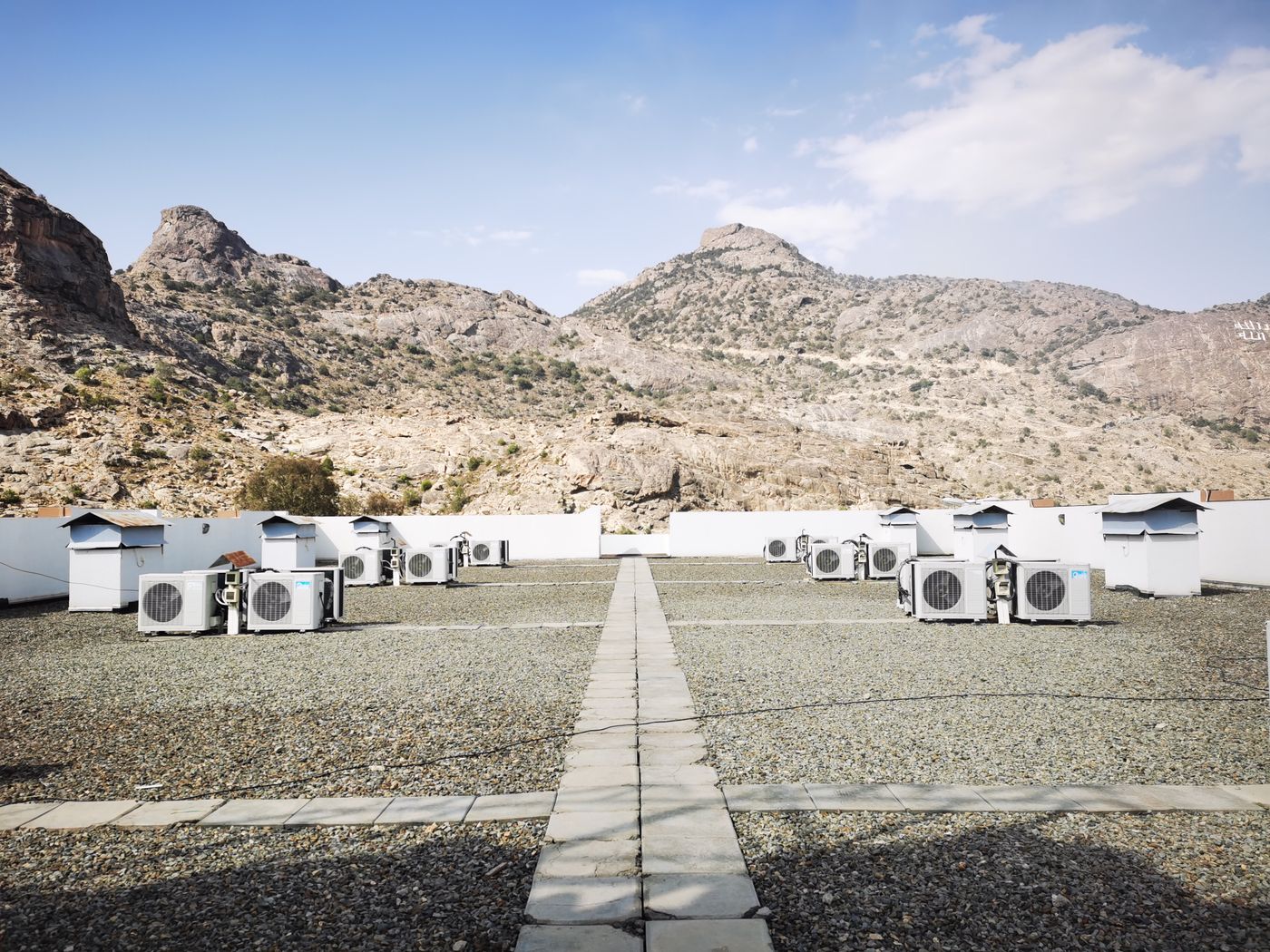
HVAC Salary: What the National Numbers Say
The BLS counts 409,670 people working as heating, air conditioning and refrigeration mechanics and installers. In May 2025, the median among them earned $61,010 a year, or $29.33 an hour. Half earned more and half earned less.
The spread matters more than the median when you’re planning:
| Where you sit | Annual pay |
|---|---|
| Bottom tenth | $40,050 or less |
| Bottom quarter | $48,360 or less |
| Median | $61,010 |
| Top quarter | $77,060 or more |
| Top tenth | $95,210 or more |
Source: BLS OEWS, May 2025, SOC 49-9021.
New technicians usually start in the bottom quarter. The climb from there comes from experience, specialties like commercial refrigeration and controls, and moving into lead or senior roles. The mean is $64,780, a little above the median, because the top earners pull the average up.
HVAC Salary by State: Where Pay Is Highest and Lowest
Where you work changes your pay more than almost anything else. The full state table on this page lists every state. Here are the extremes:
| Highest medians | Median | Lowest medians | Median |
|---|---|---|---|
| District of Columbia | $84,390 | Arkansas | $48,110 |
| Alaska | $77,430 | Alabama | $48,370 |
| Illinois | $77,410 | Mississippi | $48,680 |
| Massachusetts | $77,300 | West Virginia | $48,850 |
| Connecticut | $76,610 | New Mexico | $50,270 |
These are the BLS’s published medians, not adjusted for cost of living. A higher median in a high-cost state doesn’t always mean more money left over at the end of the month.
The largest HVAC job markets are a different list. Florida employs 39,160 HVAC mechanics and installers at a $56,670 median, California 35,130 at $72,560, and Texas 34,730 at $57,760. Big markets mean more openings even where the median is lower.
Hourly HVAC Pay in the Biggest States
Most technicians think in hourly pay, not annual salary. The BLS publishes a median hourly wage for each state alongside the annual figure:
| State | Median hourly | Median annual | HVAC mechanics and installers employed |
|---|---|---|---|
| Illinois | $37.21 | $77,410 | 9,740 |
| New York | $35.78 | $74,430 | 24,430 |
| California | $34.88 | $72,560 | 35,130 |
| Pennsylvania | $30.00 | $62,400 | 15,880 |
| Texas | $27.77 | $57,760 | 34,730 |
| North Carolina | $27.53 | $57,260 | 15,230 |
| Florida | $27.24 | $56,670 | 39,160 |
Source: BLS OEWS, May 2025.
Annual figures assume full-time, year-round work. The BLS notes that schedules can include evenings, weekends and on-call emergency work, so your hours, and your pay, can run past a standard week.
Pay Where Most HVAC Programs Are
The states with the most HVAC programs aren’t the states with the highest pay. North Carolina has 130 programs on this site, Georgia 122 and Kentucky 112, the three largest counts. Their medians are $57,260, $56,390 and $58,620, all below the national $61,010.
That isn’t a reason to avoid them. Those states also have many low-cost public technical colleges, and training costs less there. Southern Regional Technical College in Georgia publishes $5,350 in tuition for its 54-credit diploma (2026-27). What it means is that you should judge a program by its price against your own state’s pay, not the national figure. The North Carolina, Georgia and Kentucky rankings list every verified program in those states.
What an HVAC Technician Does All Day
The HVAC technician job description from the BLS comes down to a few core duties: installing, maintaining and repairing heating, cooling, ventilation and refrigeration systems; installing electrical components and wiring; and inspecting and testing systems to find what’s wrong. Technicians repair or replace defective parts, recommend maintenance and keep records of their work.
On residential service, the BLS notes technicians may also sell service contracts that cover regular maintenance such as inspections, filter changes and refrigerant checks.
The working conditions are part of the deal. The BLS says technicians may work in cramped spaces, outdoors or in extreme temperatures. Most work full time, and schedules can include evenings, weekends and on-call emergency work. Expect attics in July and rooftops in January.
HVAC Technician Pay, From Entry Level to the Top Tenth
- 10th percentile
- $40,050
- 25th percentile
- $48,360
- Median
- $61,010
- 75th percentile
- $77,060
- 90th percentile
- $95,210
National annual wages for 409,670 heating, air conditioning and refrigeration mechanics and installers (SOC 49-9021), OEWS May 2025. The median hourly wage is $29.33.
HVAC Salary by State
| State | Median pay | Bottom to top tenth | Employed |
|---|---|---|---|
| District of Columbia HVAC schools | $84,390 | $49,940 to $108,240 | 400 |
| Alaska HVAC schools | $77,430 | $48,580 to $105,140 | 610 |
| Illinois HVAC schools | $77,410 | $46,690 to $117,550 | 9,740 |
| Massachusetts HVAC schools | $77,300 | $50,820 to $102,410 | 8,200 |
| Connecticut HVAC schools | $76,610 | $45,280 to $100,160 | 3,800 |
| Minnesota HVAC schools | $76,350 | $48,220 to $100,030 | 4,200 |
| Washington HVAC schools | $75,660 | $48,810 to $120,360 | 7,370 |
| North Dakota HVAC schools | $74,490 | $46,610 to $94,060 | 970 |
| New Jersey HVAC schools | $74,450 | $48,020 to $116,550 | 10,330 |
| New York HVAC schools | $74,430 | $48,560 to $100,680 | 24,430 |
| New Hampshire HVAC schools | $73,850 | $47,520 to $97,140 | 2,560 |
| California HVAC schools | $72,560 | $46,950 to $109,060 | 35,130 |
| Maryland HVAC schools | $70,020 | $46,180 to $106,740 | 8,560 |
| Rhode Island HVAC schools | $67,370 | $38,100 to $104,080 | 1,450 |
| Hawaii HVAC schools | $65,450 | $43,120 to $99,430 | 1,300 |
| Colorado HVAC schools | $65,200 | $48,220 to $103,640 | 8,940 |
| Maine HVAC schools | $63,170 | $47,090 to $82,090 | 2,250 |
| Oregon HVAC schools | $62,940 | $46,990 to $94,520 | 3,980 |
| Ohio HVAC schools | $62,510 | $38,630 to $98,310 | 14,150 |
| Pennsylvania HVAC schools | $62,400 | $45,970 to $89,440 | 15,880 |
| Delaware HVAC schools | $62,320 | $45,000 to $97,600 | 1,730 |
| Vermont HVAC schools | $62,150 | $50,280 to $93,110 | 970 |
| Wisconsin HVAC schools | $61,710 | $45,930 to $98,070 | 6,630 |
| South Dakota HVAC schools | $61,390 | $48,420 to $75,190 | 1,610 |
| Michigan HVAC schools | $60,850 | $40,210 to $95,290 | 12,590 |
| Montana HVAC schools | $60,850 | $41,900 to $81,230 | 1,230 |
| Iowa HVAC schools | $60,680 | $43,040 to $86,280 | 3,840 |
| Nevada HVAC schools | $60,510 | $41,040 to $89,750 | 4,170 |
| Kansas HVAC schools | $60,460 | $43,660 to $83,500 | 3,770 |
| Indiana HVAC schools | $60,430 | $40,460 to $97,800 | 8,530 |
| Missouri HVAC schools | $59,950 | $39,180 to $88,760 | 7,220 |
| Nebraska HVAC schools | $59,850 | $43,540 to $81,110 | 3,020 |
| Virginia HVAC schools | $59,730 | $39,760 to $83,420 | 14,690 |
| Arizona HVAC schools | $59,400 | $37,950 to $80,160 | 10,860 |
| Utah HVAC schools | $58,730 | $37,570 to $80,500 | 5,580 |
| Louisiana HVAC schools | $58,650 | $36,950 to $78,210 | 5,380 |
| Kentucky HVAC schools | $58,620 | $38,790 to $80,020 | 5,100 |
| Texas HVAC schools | $57,760 | $38,100 to $81,860 | 34,730 |
| Oklahoma HVAC schools | $57,560 | $36,050 to $79,660 | 5,650 |
| North Carolina HVAC schools | $57,260 | $37,780 to $77,160 | 15,230 |
| Florida HVAC schools | $56,670 | $38,370 to $78,210 | 39,160 |
| South Carolina HVAC schools | $56,610 | $39,170 to $75,530 | 6,920 |
| Georgia HVAC schools | $56,390 | $36,990 to $79,130 | 12,290 |
| Idaho HVAC schools | $56,240 | $38,660 to $80,780 | 4,550 |
| Tennessee HVAC schools | $55,490 | $38,540 to $81,590 | 9,740 |
| Wyoming HVAC schools | $54,700 | $37,840 to $79,050 | 690 |
| New Mexico HVAC schools | $50,270 | $37,380 to $75,770 | 1,950 |
| West Virginia HVAC schools | $48,850 | $36,160 to $72,640 | 1,690 |
| Mississippi HVAC schools | $48,680 | $36,160 to $76,240 | 2,700 |
| Alabama HVAC schools | $48,370 | $36,510 to $65,690 | 8,260 |
| Arkansas HVAC schools | $48,110 | $37,040 to $69,290 | 4,960 |
BLS OEWS May 2025, state annual wages for HVAC mechanics and installers, highest median first. Each state link goes to that state's school ranking.
Where HVAC Training Leads
The pay figures above are for HVAC mechanics and installers, the hands-on technician job. The roles below are jobs HVAC work can lead to; BLS counts several of them as separate occupations, so the technician pay figures don't describe them.
HVAC Technician
Installs, maintains and repairs heating, cooling, ventilation and refrigeration systems, including their electrical components and wiring, and inspects and tests them. This is the job the BLS pay figures on this page describe.
Usually starts from: school or apprenticeship.
HVAC Installer
Focuses on putting new HVACR systems in rather than repairing and maintaining existing ones. BLS counts installers and service technicians as one occupation, so the pay figures on this page cover both.
Usually starts from: school or apprenticeship.
Testing and Balancing Technician
Testing and balancing is one of the specialties the BLS Occupational Outlook Handbook names for HVAC technicians. It stays inside the HVAC mechanic and installer occupation, so the pay figures on this page include it.
Usually starts from: technician experience.
HVAC Energy Auditor
Inspects buildings for air leakage, checks the furnace, heat pump, air conditioner and filters, and advises owners on fixes and replacements. BLS says some auditors work for utilities and others are self-employed; certification comes through the Building Performance Institute, RESNET or the Association of Energy Engineers, and some states require it.
Usually starts from: technician experience or energy auditing courses.
HVAC Estimator
Works out the time, money, materials and labor a job needs, reading blueprints and technical documents to price it. BLS says construction estimators usually hold a bachelor's degree, but some qualify through extensive work experience, and specialty trade contractors employ more estimators than any other industry.
Usually starts from: field experience or a bachelor's degree.
HVAC Project Manager
Plans budgets and timetables, selects and schedules subcontractors and explains contracts on construction projects. BLS lists a bachelor's degree as typical and says years of trade experience can stand in for it.
Usually starts from: field experience or a degree.
HVAC Sales Engineer
Sells products that take technical expertise to explain and fit to a customer. BLS lists a bachelor's degree in engineering or a related field as typical; some candidates without a degree qualify with a mix of sales and technical experience.
Usually starts from: a technical degree, or sales and technical experience.
HVAC Design Engineer
Designs refrigeration, air-conditioning, heating and cooling systems. It's a mechanical engineering job: BLS lists a bachelor's in mechanical engineering or mechanical engineering technology, not an HVAC technician program, as the usual start.
Usually starts from: an engineering degree.
HVAC Instructor
Teaches the hands-on skills behind a certificate, diploma or associate degree at a two-year college or technical school. BLS says career and technical education teachers generally need a bachelor's in the field they teach, and many need work experience in it.
Usually starts from: technician experience and, generally, a bachelor's degree.
HVAC Contractor and Business Owner
Runs an HVAC contracting business. The 27 states on the license requirements page each set their own HVAC credential rules, and most license or register contractors, often with an exam, years of experience, a bond or insurance.
Usually starts from: technician experience and a contractor license where the state requires one.
HVAC Technician Requirements
To get hired, you need three things.
Training. The BLS lists a postsecondary nondegree award, such as a certificate or diploma, as the typical entry-level education. Programs run from about 6 months to 2 years. An apprenticeship is the other route.
EPA 608 certification. Federal rules require technicians who maintain, service, repair or dispose of equipment that could release refrigerant to be certified. You pass an EPA-approved test, and the credential never expires. 376 of the 596 schools on this site prepare you for it.
A state license, where required. The BLS notes that some states and localities require HVAC technicians to be licensed. Rules for 27 states are on the HVAC license requirements page.
After that, the BLS describes the usual on-the-job training as long-term, so your first employer keeps teaching you.
Which HVAC Jobs the Pay Figures Cover
The roles in the career-path section of this page are the jobs HVAC work can lead to. They split into two groups, and the split matters for pay.
Jobs the HVAC pay figures cover. HVAC technicians and installers are one occupation in BLS data, so the medians on this page describe both. Testing and balancing is a specialty the BLS names inside that occupation, so its pay sits in the same range.
Service technician or installer? The BLS notes that some technicians focus on installing new systems while others mainly repair and maintain existing ones, and it counts both in the same occupation. The choice changes your days more than your pay band. Installers put in new and replacement systems. Service technicians diagnose and fix faults on existing ones, and on residential service they may also sell maintenance contracts that cover inspections, filter changes and refrigerant checks. If you like troubleshooting and talking with customers, service suits you; if you like building a system from the ground up, installation does.
Jobs that are separate occupations. Energy auditors, estimators, project managers, sales engineers, design engineers and instructors are counted elsewhere by the BLS, so the technician pay figures don’t describe them. Several build on field experience. The BLS says some construction cost estimators qualify solely through extensive work experience, and specialty trade contractors employ more estimators than any other industry. Energy auditors check heat pumps, furnaces and air conditioners as part of their inspections, and some work for utilities.
Others need more school. Design engineering usually starts from a bachelor’s in mechanical engineering, and teaching in a career program generally calls for a bachelor’s degree. If either is your long-term plan, the HVAC certificate vs associate degree guide explains how a degree keeps that door open.
HVAC Jobs for Beginners
Most people enter the trade in one of three ways:
- Helper or trainee with a contractor, often while finishing school.
- Apprentice in a registered apprenticeship, paid from day one with classroom instruction alongside.
- Entry-level technician straight out of a certificate or diploma program.
Each one pays at the low end of the range at first. The difference is how fast you move up. Compare the school and apprenticeship routes in the HVAC school vs apprenticeship guide.
Job Outlook for HVAC Technicians
The BLS projects employment of HVAC mechanics and installers to grow 11% from 2025 to 2035, much faster than the average for all occupations. It expects about 40,600 openings a year, many to replace workers who retire or change careers.
The growth comes from several directions, according to the BLS: commercial construction, including data centers; residential construction; more sophisticated climate-control systems; and repair and replacement work that requires technicians to retrofit, upgrade or replace existing systems.
Training Near the Best-Paying HVAC Markets
If you live in a higher-paying state, a low-cost public program there gives you the strongest return on training.
- Illinois ($77,410 median): Parkland College in Champaign publishes $5,355 in tuition for its 30-credit HVAC Installation Technician certificate (in-district, 2023-2024), and Prairie State College near Chicago runs a 32-credit certificate with day and evening classes and state license exam prep. See the Illinois HVAC school ranking.
- Massachusetts ($77,300 median): New England Tractor Trailer Training School in North Andover runs a 1,200-hour HVACR diploma with day, evening and weekend sessions. See the Massachusetts ranking.
- New York ($74,430 median): Erie 1 BOCES in West Seneca runs a 300-hour HVAC technician program over 17 weeks, with day and evening options and EPA 608 prep. See the New York ranking.
- California ($72,560 median): DeHart Technical School in Modesto offers a 480-hour facilities maintenance HVAC course in hybrid or in-person format, with EPA 608 and NATE prep.
How to Raise Your HVAC Pay Over Time
The pay data points to a few levers you control:
- Location. State medians run from $48,110 to $84,390. Moving isn’t for everyone, but no other single choice shifts the numbers as much.
- Specialty. Commercial refrigeration, controls and testing and balancing are named specialties in the trade.
- Certifications. EPA 608 is required; NATE and others are optional, but the BLS notes some employers prefer or require them. See the NATE certification guide.
- A license. In states that license contractors, it’s the step to running your own jobs.
To see whether a given program pays off at your state’s pay, try the payback calculator, or read Is HVAC School Worth It?.
Frequently Asked Questions
What Is the Starting Salary for an HVAC Technician?
The low end of the BLS range is the best guide. Nationally, the bottom tenth of HVAC mechanics and installers earn $40,050 or less and the bottom quarter $48,360 or less (OEWS, May 2025). New technicians and helpers usually start in that band.
Which State Pays HVAC Technicians the Most?
The District of Columbia has the highest median at $84,390, followed by Alaska ($77,430), Illinois ($77,410), Massachusetts ($77,300) and Connecticut ($76,610), according to BLS OEWS for May 2025.
Do HVAC Technicians Get Paid Hourly?
Many do. The BLS national median hourly wage is $29.33. Annual figures assume full-time, year-round work, and the BLS notes that schedules can include evenings, weekends and on-call emergency work, which may add overtime.
Is HVAC a Good Career for the Future?
The BLS projects 11% employment growth for HVAC mechanics and installers from 2025 to 2035, much faster than average, with about 40,600 openings a year. It ties the growth to commercial construction including data centers, residential construction, more sophisticated climate-control systems, and retrofit and replacement work.
Can You Get an HVAC Job With No Experience?
Yes, usually as a helper, apprentice or entry-level technician. The BLS lists long-term on-the-job training as typical for the job, so employers expect to keep training you. A certificate with EPA 608 prep makes you easier to hire, because federal rules require certification to work on refrigerant circuits.
Does an HVAC License Raise Your Pay?
A license opens work you can't legally do without one in states that require it, such as bidding and running jobs as a contractor. The license requirements page covers the rules in 27 states.
Keep Reading
- Is HVAC School Worth ItWhat full HVAC programs cost at the schools that publish a price, set against what HVAC technicians earn in each state
- School vs ApprenticeshipHow a school program and a registered apprenticeship differ in length, cost and when you start earning, with the schools that run apprenticeship classes
- NATE CertificationWhat NATE certification is, how it differs from the EPA 608 card, and which HVAC programs say they prepare students for NATE exams
- Best HVAC SchoolsEvery verified program, ranked
- HVAC License Requirements by StateEPA 608 and each state's rules
Sources
- U.S. Bureau of Labor Statistics: Occupational Outlook Handbook, HVAC mechanics and installers
- U.S. Bureau of Labor Statistics: Green Jobs, Energy Auditors
- U.S. Bureau of Labor Statistics: Occupational Outlook Handbook, Cost estimators
- U.S. EPA: Section 608 technician certification
- U.S. Bureau of Labor Statistics, Occupational Employment and Wage Statistics, May 2025: Heating, Air Conditioning, and Refrigeration Mechanics and Installers (49-9021)
- BLS Occupational Outlook Handbook: HVAC mechanics and installers