Curriculum Guide
What You Learn in HVAC School
What Do You Learn in HVAC School?
The HVAC curriculum at almost every school starts with air conditioning, refrigeration, heating and electrical work: of the 593 schools whose program pages list topics, 526 name air conditioning, 514 refrigeration, 502 heating and 447 electrical. Fewer go on to controls (287), load calculation (132), hydronics (83) or building automation (40), and those are the courses that separate a basic program from a deep one. Atlantic Technical College in Florida, for example, pairs its 750-hour certificate with EPA 608, OSHA, R-410A and HVAC Excellence exam prep.
The Core HVAC Curriculum Almost Every School Teaches
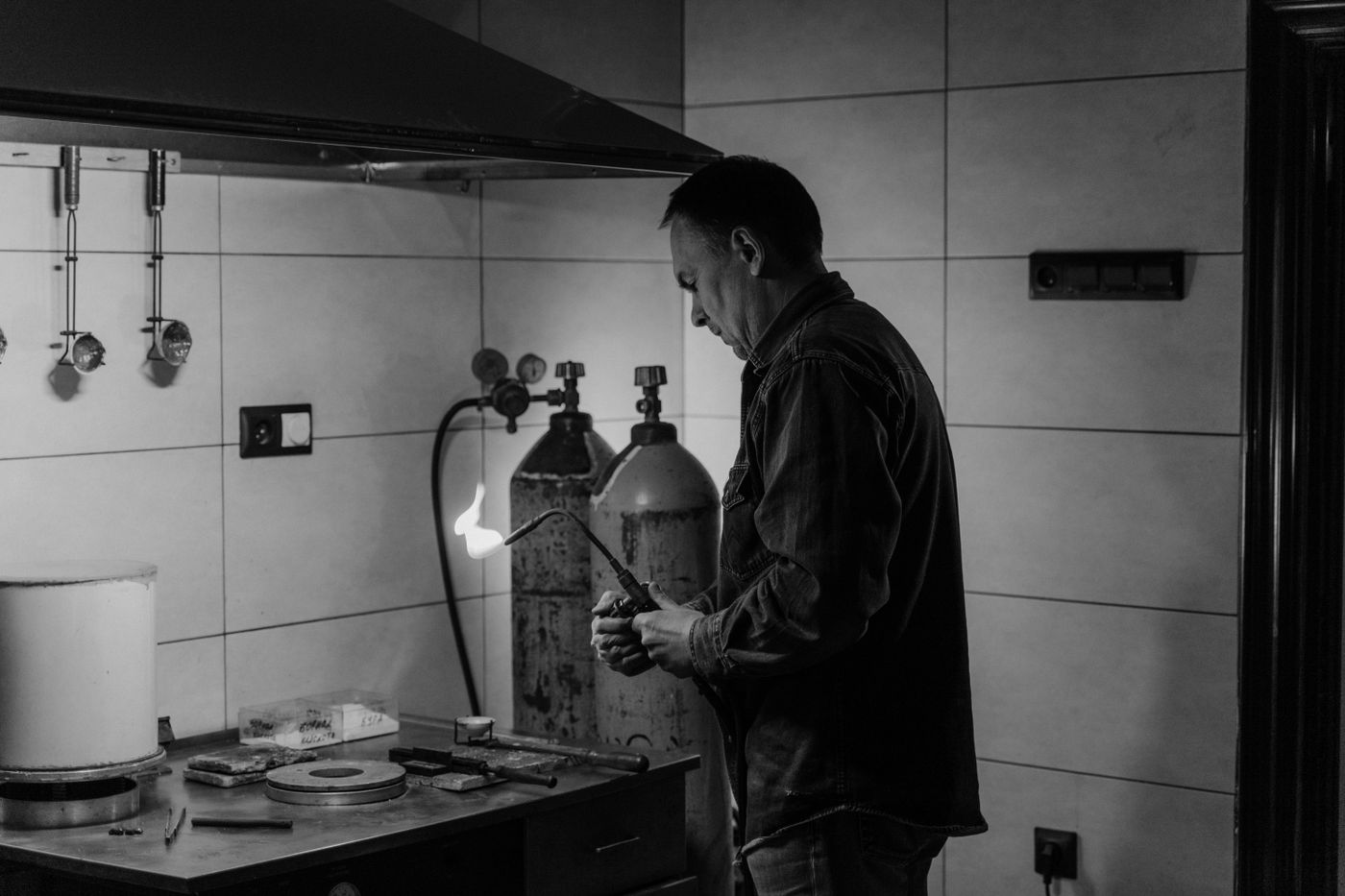
Four subjects make up the base of nearly every HVAC program. These counts come from the program and course pages of the 593 schools on this site that list what they teach:
| Topic | Schools that name it |
|---|---|
| Air conditioning | 526 |
| Refrigeration | 514 |
| Heating | 502 |
| Electrical | 447 |
| EPA 608 prep | 303 |
| Controls | 287 |
| Heat pumps | 257 |
| Commercial refrigeration | 255 |
If a program doesn’t name air conditioning, refrigeration, heating and electrical, look closely at what it’s actually training you for. Some short certificates cover only one piece, such as Arkansas State University-Newport’s 7-credit Introduction to Air-Conditioning certificate of proficiency. Those are fine as a start, but they aren’t the full trade.
The refrigeration cycle sits under everything. Air conditioners, heat pumps, walk-in coolers and ice machines all move heat the same way, so programs teach that cycle early, along with pressures, temperatures and how to read gauges. After that comes electrical, because the BLS lists installing electrical components and wiring as one of the core duties of the job.
Why Electrical Takes Up So Much of HVAC School
Electrical is the second pillar of the trade. Every furnace, air conditioner and heat pump runs on motors, controls and wiring, and a technician who can’t trace a circuit can’t diagnose a system that won’t start. Expect circuits, meters, motors, capacitors, relays and wiring diagrams. Motors show up by name on 61 schools’ program pages, electric motors on 30 and motor controls on 16. Wiring diagrams and schematics each get their own mention at 13 and 14 schools.
Some colleges split electrical into its own credential. Albany Technical College in Georgia offers a 12-credit Air Conditioning Electrical Technician certificate, and Wallace State Community College in Alabama runs an HVAC Electrical Specialist short-term certificate. That tells you how central the subject is.
The Hands-on Skills You Practice in the Lab
HVAC classes mix theory with lab hours on real equipment. The hands-on skills that schools name most often:
- Troubleshooting: 188 schools. Finding the fault, not just replacing parts.
- Ductwork: 158 schools. Sizing, building and sealing the system that carries air.
- Installation: 122 schools. Setting equipment, connecting lines and starting systems up.
- Sheet metal: 85 schools. Fabricating duct fittings by hand.
- Brazing: 50 schools. Joining copper refrigerant lines with a torch.
- Piping: 37 schools.
- Refrigerant recovery: 32 schools. Pulling refrigerant out of a system safely and legally.
That last one connects straight to federal law. The BLS notes that technicians must follow rules on refrigerant conservation, recovery and recycling, and EPA 608 certification requires passing an approved test. That’s why 303 schools name EPA 608 as a course topic and 376 say their program prepares you for the exam.
Advanced HVAC Courses That Set Programs Apart
This is where programs differ most. A short certificate stops after the core. A longer diploma or associate degree adds courses like these:
| Advanced topic | Schools that name it | What it prepares you for |
|---|---|---|
| Load calculation | 132 | Sizing equipment for a building |
| Hydronics | 83 | Hot-water and radiant heating systems |
| Blueprint reading | 72 | Reading plans on commercial jobs |
| Boilers | 45 | Commercial and older residential heat |
| Building automation | 40 | Networked controls in commercial buildings |
| Codes | 38 | Mechanical code rules on installs |
| Solar and geothermal | 32 | Renewable heating and cooling systems |
| System design | 27 | Laying out a full system |
| Chillers | 16 | Large commercial cooling plants |
If you want commercial work, look for building automation, chillers and blueprint reading. The BLS notes that modern HVACR systems contain computerized components and networking features, and those are what building automation courses teach.
If you want to design or estimate jobs someday, load calculation and system design matter most. Lanier Technical College in Georgia offers a 16-credit Basic Residential Air Conditioning System Design certificate built around that work.
What You Learn Depends on the Program Level
The same school can teach very different amounts depending on which credential you pick.
Helper and intro certificates cover a slice of the trade. Central Louisiana Technical Community College runs a 720-hour A/C and Refrigeration Helper II certificate, and West Georgia Technical College offers a 12-credit Air Conditioning Technician Assistant certificate. These are entry points, often the first step in a longer program.
Full certificates and diplomas cover the core plus installation and service. Full programs on this site that state clock hours have a median of 864, and those that state credits a median of 45. Clearfield County Career and Technology Center in Pennsylvania runs a 900-hour adult program with EPA 608, OSHA, R-410A and low-GWP refrigerant prep.
Associate degrees add the advanced topics above plus general education. They run a median of 64 credits.
The Topics HVAC Programs Teach, Counted
| Topic | Schools teaching it | Share |
|---|---|---|
| Air conditioning | 526 | 89% |
| Refrigeration | 514 | 87% |
| Heating | 502 | 85% |
| Electrical | 447 | 75% |
| EPA 608 | 303 | 51% |
| Controls | 287 | 48% |
| Heat pumps | 257 | 43% |
| Commercial refrigeration | 255 | 43% |
| Troubleshooting | 188 | 32% |
| Ductwork | 158 | 27% |
| Load calculation | 132 | 22% |
| Installation | 122 | 21% |
| Sheet metal | 85 | 14% |
| Hydronics | 83 | 14% |
| Blueprint reading | 72 | 12% |
| Motors | 61 | 10% |
| Brazing | 50 | 8% |
| Safety | 46 | 8% |
| Boilers | 45 | 8% |
| Ventilation | 42 | 7% |
| Building automation | 40 | 7% |
| Codes | 38 | 6% |
| Piping | 37 | 6% |
| Indoor air quality | 33 | 6% |
| Plumbing | 33 | 6% |
| Refrigerant recovery | 32 | 5% |
| Solar/geothermal | 32 | 5% |
| Air distribution | 30 | 5% |
| Electric motors | 30 | 5% |
| Gas heating | 30 | 5% |
Topics named on the HVAC program and course pages of 593 schools, September 2026. Topics named by fewer than 15 schools are left out.
How HVAC Programs Order the Courses
Most programs follow the same rough sequence, even when the course names differ.
Florida’s technical colleges make it easy to see, because the state splits HVAC into numbered career certificates. At First Coast Technical College in Saint Augustine, HVACR 1 is 750 hours and covers the foundations, then HVACR 2 adds 600 hours of more advanced work. Pinellas Technical College runs the same first level, HVAC/R 1, as a 750-hour certificate over 35 weeks.
In practice that means safety, tools and the refrigeration cycle come first, then electrical, then heating and air conditioning systems, then troubleshooting and installation that pull it all together. Advanced courses like commercial refrigeration and controls come last, because they assume you already know the basics.
How HVAC Classes Are Scheduled
How you take the classes matters almost as much as what’s in them. Full programs on this site that state a length have a median of 48 weeks.
- Day programs are the default and the fastest way through.
- Evening classes are offered by 155 programs, which makes them the most common option for people who work days.
- Weekend classes are rarer, at 16 programs.
- Hybrid coursework, with theory online and labs on campus, is offered by 58 programs.
- Part-time schedules are named by 17 programs.
The evening and weekend HVAC classes ranking scores the programs that fit around a job.
What You Keep Learning After School
HVAC school doesn’t finish your training. The BLS describes the usual on-the-job training for HVAC mechanics and installers as long-term, which means your first employer keeps teaching you after you’re hired. School gives you the theory, the EPA 608 card and enough lab time to be useful on day one. The field teaches you speed, judgment and the equipment brands and building types common where you work.
That’s also why apprenticeships exist. They pair paid on-the-job training with yearly technical instruction, covering much of the same HVAC curriculum spread over several years. The HVAC school vs apprenticeship guide compares the two routes.
Certifications You Prepare for Along the Way
Most HVAC classes build toward at least one exam. Across the 596 schools on this site, program pages name:
- EPA 608 at 376 schools
- OSHA safety at 134
- HVAC Excellence exams at 93
- R-410A at 51
- State license exam prep at 49
- NATE at 43
- A2L and low-GWP refrigerants at 40
- NCCER at 31
Low-GWP refrigerants are worth watching. Only 40 schools name them so far, and 16 list low-GWP refrigerants as a course topic. A program that teaches them is a sign the HVAC curriculum has been updated recently. For NATE specifically, the NATE certification guide covers the exams and the schools that prepare you for them.
Specialties You Can Focus on
Not every program tries to teach everything. Some lean into a specialty from the start, and the BLS notes that some technicians specialize, in areas such as radiant heating, testing and balancing or commercial refrigeration.
- Commercial refrigeration (255 schools) leads to walk-in coolers, display cases and ice machines. Ice machines get their own mention at 21 schools.
- Heat pumps (257 schools) cover both heating and cooling in one system, so they draw on the refrigeration and heating courses together.
- Vehicle air conditioning: Refrigeration School Inc in Phoenix prepares students for EPA 609, the separate certification for vehicle A/C, alongside EPA 608 and R-410A.
- Indoor air quality (33 schools) and energy efficiency (14 schools) point toward building performance work.
How to Check a Program’s HVAC Curriculum
Before you enroll, read the program’s course list against this checklist:
- The core four: air conditioning, refrigeration, heating and electrical. All four should be there.
- EPA 608 prep: it should be built in.
- Troubleshooting and installation lab time: look for named lab courses, not just theory.
- At least one advanced topic that matches where you want to work: controls or building automation for commercial, load calculation for design, hydronics for heating-heavy regions.
- Low-GWP refrigerant training, a sign the program is current.
The certification matcher finds schools by the certifications their programs prepare you for. To compare curriculum depth against time and cost, see the HVAC certificate vs associate degree guide, and to see every program scored, start with the best HVAC schools ranking.
Frequently Asked Questions
How Many Hours Is HVAC School?
Full HVAC programs on this site that state clock hours have a median of 864 hours, and those that state credits have a median of 45 credits. Short programs start around 300 clock hours; the longer diplomas run 1,200 hours, such as the HVACR diploma at New England Tractor Trailer Training School.
Is HVAC School Hard?
It asks more of you in theory than people expect. Electrical shows up in 447 of the 593 programs that list topics, troubleshooting in 188 and thermodynamics in 21, so expect math, meters and wiring diagrams alongside the hands-on work. Programs are built for beginners, though: the core courses start from the basics.
Do You Learn Brazing in HVAC School?
In most full programs, yes, because joining copper refrigerant lines is basic installation work. Brazing is named on the program pages of 50 schools, soldering on 17, and brazing and soldering together on 12.
Can You Learn HVAC Online?
You can learn the theory online, but not the hands-on work. Only 58 programs on this site offer hybrid coursework, and they still put you in a lab for equipment. Refrigeration School Inc in Phoenix runs its 600-hour Refrigeration Technologies diploma as a hybrid program with day, evening and weekend options.
What Is Taught in an HVAC Controls Class?
Controls courses cover the thermostats, sensors, relays and control boards that run heating and cooling equipment, and in commercial programs the building automation systems behind them. Controls appears on 287 schools' program pages; direct digital controls, the commercial building version, on 13.
Does HVAC School Teach Customer Service?
Some do, by name: 18 schools list customer service as a course topic. If you plan to work in residential service, where you deal with homeowners directly, a program that names it is a plus.
Keep Reading
- School vs ApprenticeshipHow a school program and a registered apprenticeship differ in length, cost and when you start earning, with the schools that run apprenticeship classes
- Certificate vs Associate DegreeHow HVAC certificates, diplomas and associate degrees differ in credits, hours, length and published cost, and who each suits
- Is HVAC School Worth ItWhat full HVAC programs cost at the schools that publish a price, set against what HVAC technicians earn in each state
- NATE CertificationWhat NATE certification is, how it differs from the EPA 608 card, and which HVAC programs say they prepare students for NATE exams
- HVAC Careers and SalaryWhat HVAC technicians earn nationally and in every state (BLS OEWS), the spread from entry level to the top tenth, and the jobs HVAC training leads to
- Best HVAC SchoolsEvery verified program, ranked
- HVAC License Requirements by StateEPA 608 and each state's rules
Sources
- U.S. Bureau of Labor Statistics: Occupational Outlook Handbook, HVAC mechanics and installers
- U.S. EPA: Section 608 technician certification
- Official HVAC program, catalog and tuition pages of each school, reviewed September 2026